
It Was Never About the Stadium
Why communities keep settling for too little, and how to stop

Twenty years ago, a company could walk into a city hall, promise five hundred jobs, and walk out with an incentive check. When the jobs never showed up, few people asked questions. It got chalked up to the cost of doing business. That’s not how it works anymore.
Economic developers spent the last two decades building a better standard by educating their policymakers, and today almost every incentive deal carries performance requirements and clawbacks. Communities demand more and have higher standards, but nobody calls that unreasonable. It’s just common sense.
Somehow little of this common sense has made it to stadium deals.
For a long time I had the same blind spot. Public money for a sports stadium struck me as a different category of thing. It was economic investment with jobs and business growth, sure. But it was also a signal of civic pride and a cultural anchor. An easy yes. Sure, there was nuance, but I mostly defaulted to assuming these were good deals.
As a St. Petersburg resident, I’ve watched the Tampa Bay Rays stadium saga play out for years, most recently through the fallout from the 2024 hurricanes and the collapse of the Rays and Hines deal for the Historic Gas Plant District. That deal made me look harder at stadiums, the public dollars behind them, and their actual effect on the community. Having grown up in the Midwest, I’ve been simultaneously watching the Chicago Bears situation with equal parts dread and astonishment…the Hammond, Indiana Bears?
I started noticing stadium deals in the news more often and wondered if I was just paying more attention. It turns out it wasn’t my imagination. Sports stadium developments have a median lifecycle of about 30 years, and by 2030, roughly 62 stadiums and arenas across the major leagues will be at least 30 years old. In other words, we are inside a stadium redevelopment cycle right now. It is not a matter of if your community will grapple with a stadium deal. It is a matter of when.
Looking at the history of these deals, both the deals of the past and the ones being negotiated right now, I’ve come to a simple conclusion: communities must demand more. More from the teams and developers. More for their residents. And more of a stake in the benefits of success.
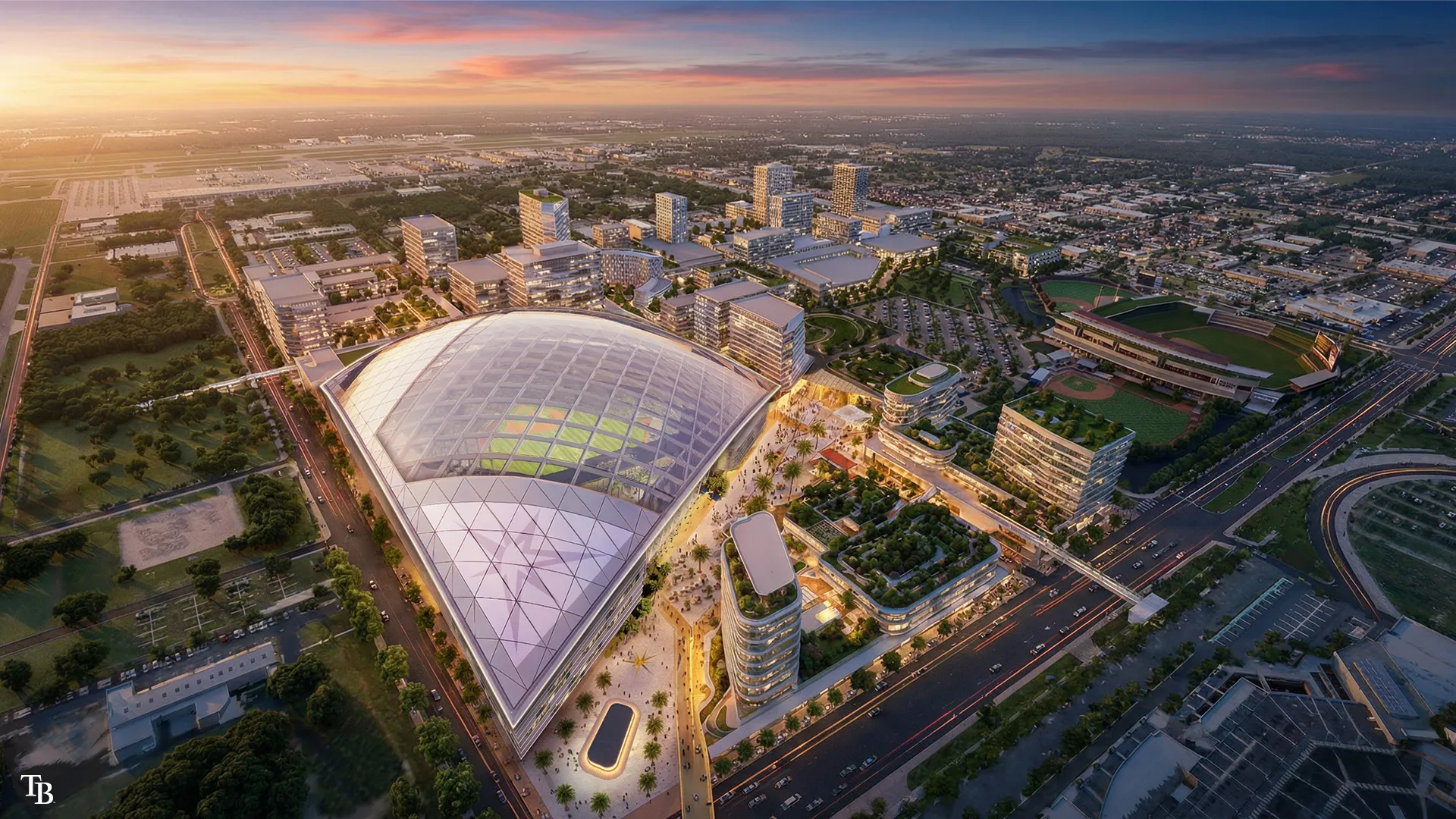
The deal on the table is no longer just a stadium. Over the last two decades, standalone stadium proposals have given way to more ambitious projects. Stadiums wrapped inside billion-dollar mixed-use districts with housing, retail, office, and public space designed to generate activity year-round rather than on game days. That makes these deals both more compelling and more important. They demand more public money, and they carry more risk if they fail. A defunct stadium is a broken building, but a failed district is a broken neighborhood.
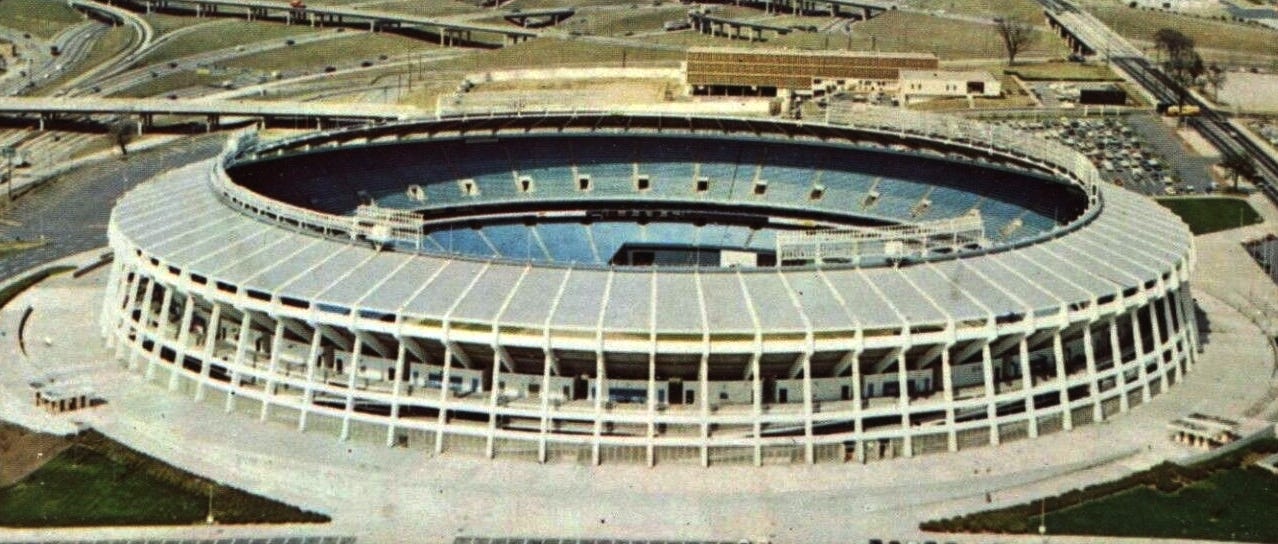
So how did we get here? For most of the 20th century, cities built cookie-cutter municipal stadiums with public money and let whatever teams they had share them. Watch old footage from the 1970s and you might catch the faint outline of a baseball infield under a running back’s cleats. But as owners began asking more from the public, civic pride stopped being a sufficient answer, and the stadium had to justify itself as economic development.
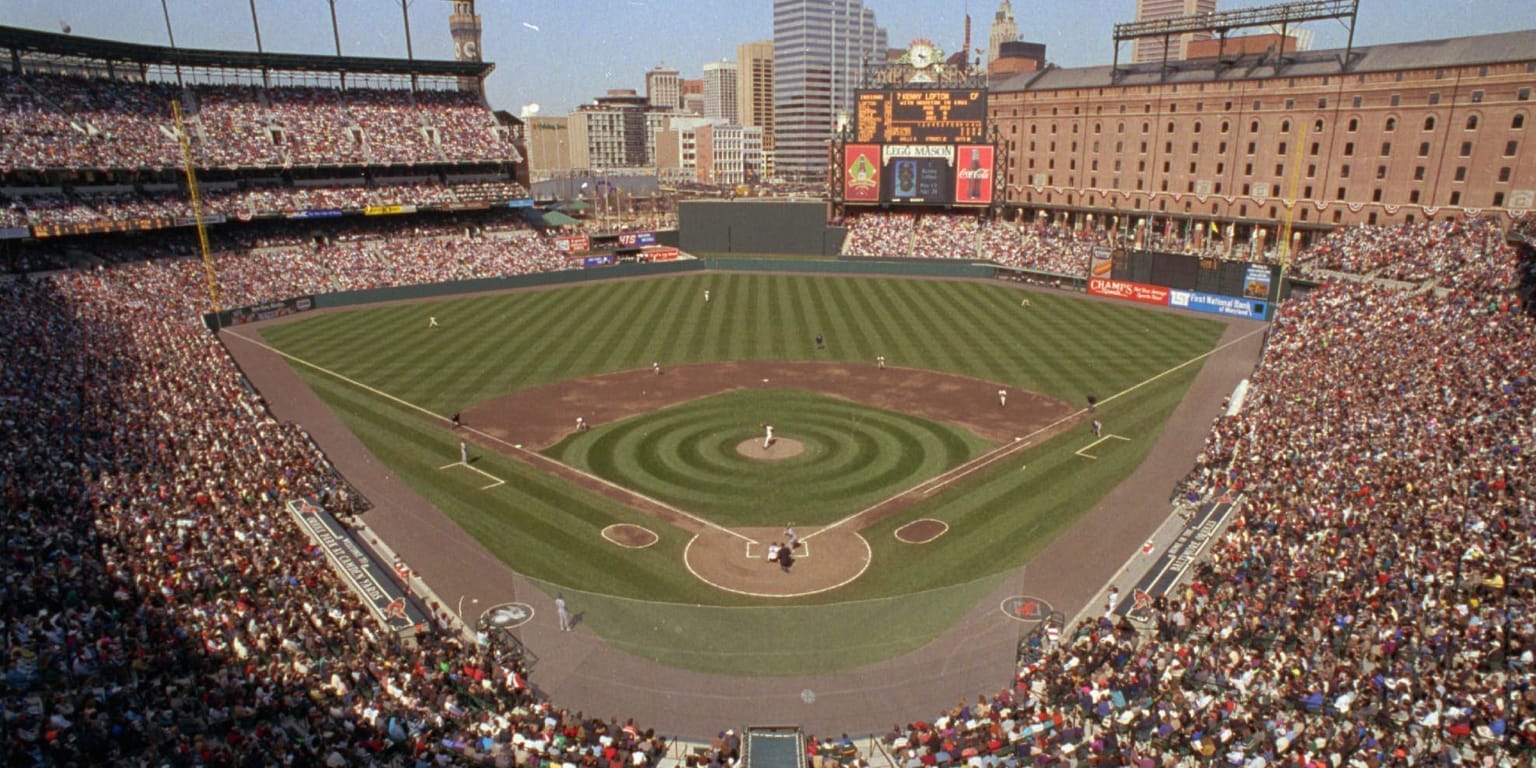
Camden Yards, which opened in Baltimore in 1992, was the first real attempt at that argument. It was a beautiful urban ballpark pitched as a downtown revitalization tool. It worked as architecture and drew 40,000 fans a night, but the promised business activity and rising home values never materialized. That didn’t stop communities from assuming the project was a success.
Over the next two decades, cities across the country chased the model and promised the same economic development, even as a review of more than 130 studies found that stadium subsidies produce essentially no net local economic gain, since fan dollars mostly just moved from elsewhere in the community to the stadium. Yet the win-win story survived long after the evidence killed it.
You might reasonably conclude from that evidence that communities should simply stop doing these deals. I don’t, for two reasons. The economic impact study was never the only thing a community is buying when it gets a sports team. And the research, however solid, will not stop most of these public subsidy projects from getting approved. The open question is what a community gets when the deal happens, and that’s the debate worth having.
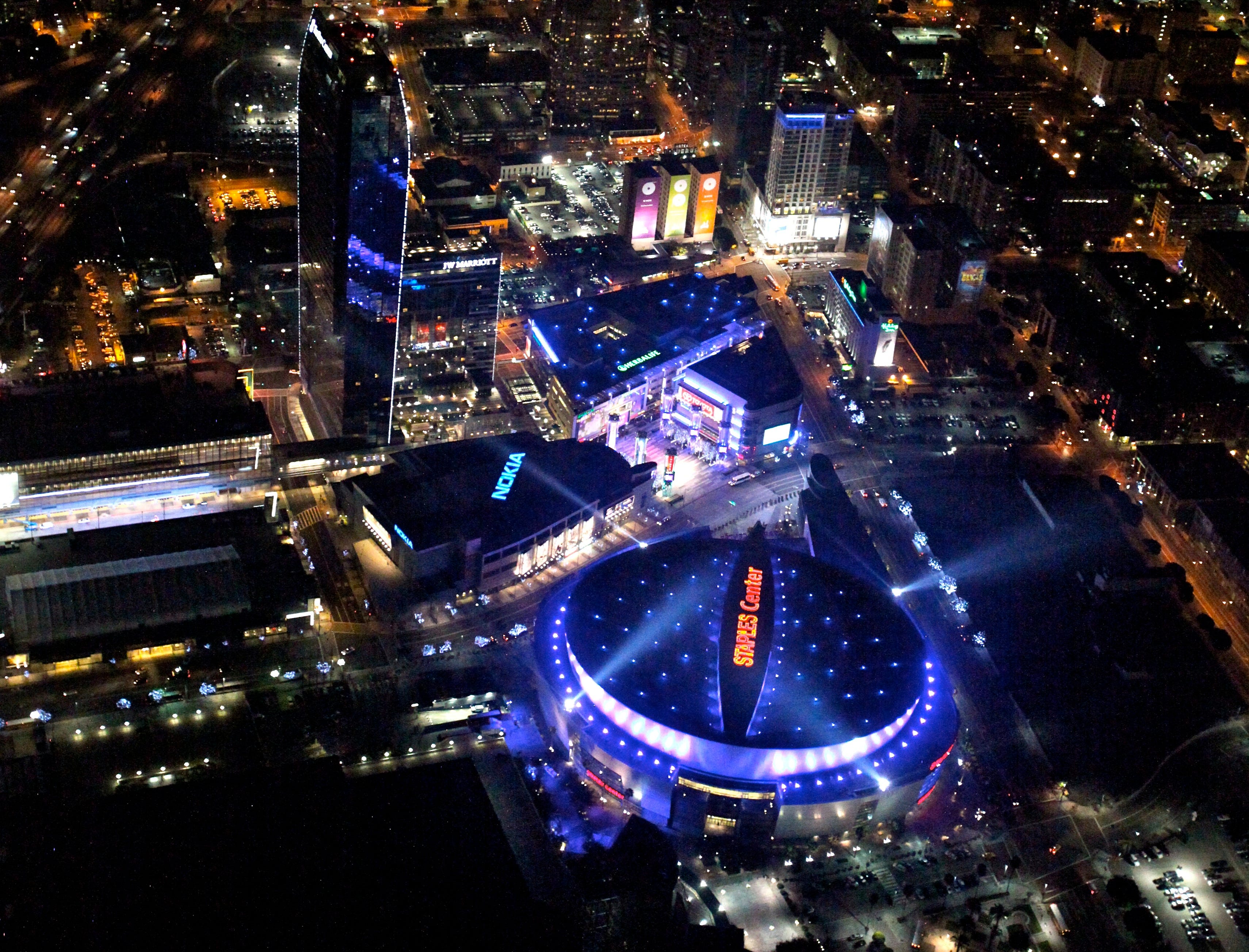
Which brings us to the current paradigm. Owners now push for bigger mixed-use districts rather than standalone stadiums, partly because the politics of a naked stadium subsidy have finally gotten unpalatable for the public, and partly because appreciating real estate is where the money’s at. The stadium became the anchor tenant that justifies the public subsidy for everything around it.
As a professional economic developer who advocates for large development projects regularly, I know firsthand what makes a community a good partner. Sure, we’d love a community that simply rolls over and supports whatever we propose. But that isn’t, and shouldn’t be, a community’s default posture. Pushback, hard questions, and demands to modify a proposal so it better balances community interests are all part of the job, and honestly, they’re what I want when I’m on the other side of the table myself, serving on my local development review commission. Based on most of the stadium deals negotiated over the last 50 years, most communities could have stood to demand more for themselves, especially when hundreds of millions in public dollars are on the table.
So what should a community actually demand? Start with the benefits, and insist they be real. As public prices climbed, cities began negotiating Community Benefits Agreements, contracts that bind specific commitments to the deal. Done right, they’re the most important tool a community has, but done wrong, they’re simply a press release to justify a bad deal.
What separates a strong agreement from a hollow one is whether the commitments are specific, measurable, independently monitored, and backed by penalties that cost more than ignoring them. The now-defunct Rays agreement for the Gas Plant District required roughly 1,200 affordable housing units, but set the initial penalty for not building them at $25,000 per unit, a fraction of what a single unit costs to develop. The developer could pay the opt-out fee and walk.
A CBA can also fail by aiming the money in the wrong direction. The Yankees offered $40 million to community organizations as part of a stadium refurbishment deal, only for it to emerge more than a decade later that most of the money had flowed to organizations nowhere near the stadium, landing in wealthy zip codes rather than the low-income neighborhoods that bore the project’s costs. The point is to aim the money at the residents and small businesses most likely to get priced out.
I know what you are probably thinking. This isn’t free money, and it’s going to slow down a deal. Every dollar of community benefit is a dollar off the developer’s return, and there is a point where the ask makes a project impossible to finance. I’ve seen deals die over exactly that. But most communities never get anywhere near that point. They negotiate from the assumption that any meaningful demand puts the deal at risk, and that assumption is exactly how you end up with a $25,000 penalty on a housing unit that costs ten times that to build.
A well-structured CBA does frustrate a developer eager to break ground, and that’s partly the point. It’s how a community earns a genuine stake in what gets built on its doorstep, rather than a headline and a promise. The skill is knowing where the real edge is, rather than treating the developer’s first no as that edge.
Speaking of negotiating finances, every stadium pitch comes with an economic impact study, and it’s almost always commissioned by the party asking for the subsidy. Big job numbers and tax projections make great press releases but are not evidence. Any jurisdiction serious about a deal needs its own independent, peer-reviewed analysis that asks what this land could realistically produce without the stadium. The counterfactual is sometimes an empty lot, but often it’s simply a different development entirely. When the honest answer really is an empty lot, that’s worth knowing. Public money can move a project that private capital would have left sitting for years.
The financing itself should protect the public and, if the development is successful, the public should be rewarded. If a community is going to use its money or issue bonds to finance a project, the community should get a real share of the upside too. I don’t mean the indirect benefit of having an employment center anchored by a professional sports team. I mean an actual mechanism where the district grows in value and the community’s bottom line grows with it. Whether it’s a well-structured tax increment financing arrangement or percentage rent on a stadium the public already owns and leases back for a pittance, some form of equity-like profit sharing isn’t an unreasonable ask.
Whatever the mechanism, the value has to reach the whole community, not stay walled inside the district that produced it. A stadium district that enriches its own footprint while the surrounding neighborhoods see nothing is just a private development with a public subsidy attached. And of course, if teams and developers don’t deliver the projected jobs, investment, or projects as represented to the community, there must be enforceable, damaging clawbacks.
If the projections are as strong as the pitch deck says, sharing that upside costs the developer very little. A developer who balks is either telling you their numbers are soft, or telling you they think the next community will ask for less. That second one is the real problem with everything I’ve argued here. Communities bid against each other for the privilege of writing the check, and the race to the bottom does the rest.
Think back to those company incentive deals from twenty years ago. The reason nobody asked for clawbacks was not that it hadn’t occurred to anyone. It was that no city wanted to be the one that asked and watched the company go to the next community. That was a race to the bottom too, and it looked just as unwinnable from the inside. It changed anyway, slowly and then all at once, and now no serious economic developer would structure a deal the old way.
The reason the incentive paradigm changed is that communities realized companies would select them anyway if they had a quality workforce, streamlined permitting, and shovel-ready sites. The strength of those assets more than made up for a marginal tax break. The same logic applies to stadiums. A community with the right site, an engaged fanbase, and a government that functions is more attractive than one that offers nothing but a pile of public money.
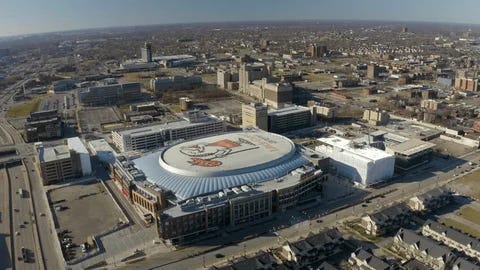
Now for the wrench in this whole tidy analysis. What does it cost to be home to the Chicago Bears? We love our teams, and that love is worth something a spreadsheet can’t hold. When the Knicks made their run earlier this year, New Yorkers from every borough celebrated together. When I watched the US Men’s National Team advance deeper than it had in decades as a World Cup host, I felt more deeply connected to my fellow Americans. At a moment when community bonds are fraying and people feel more isolated than ever, a shared team can be one of the few things that still pulls a city together. That civic value is real, and it means a deal doesn’t have to fully pencil out to be worth doing.
But it cuts both ways. That same emotional pull is what team owners leverage. A community that knows its team matters also has to remember those bonds can be built in other ways, and that a local government’s job is to steward public dollars on behalf of everyone, not just the fans in the good seats. That is what makes Illinois such a powerful example. The Bears are a charter NFL franchise woven into the identity of the City of Chicago. Yet Illinois still refused to hand over $855 million in public infrastructure funding for a privately owned stadium and district. Saying no to a team you don’t care about is easy. Saying no to the Bears takes real courage.
If a franchise won’t respect the community and the public investment behind it, the community can’t be expected to keep cheering. If that means the Hammond Bears and Indiana taxpayers are fine with doling out hundreds of millions in public subsidies with little in return but the development itself, then that’s their prerogative.
The truth is stadium projects are neither a guaranteed win nor an automatic loss. These deals are only ever as good as the community insists they be, and for fifty years communities have been insisting on far too little. But the answer was never to stop building. It was to stop being grateful for the privilege of a team offering to locate and start recognizing what a community brings to the table.
Every 30-year stadium cycle has its own character. We went from cookie-cutter municipal stadiums, to striking but isolated architectural landmarks, to the mixed-use district. The next paradigm should be the one where communities finally push for real stakes and tangible benefits for the people they answer to. I don’t want us looking back in another 30 years with the same clarity we now have about the deals of the seventies, eighties, and nineties, only to find communities got a raw deal all over again.
We can set that standard now. Get it right, and the community gets to keep cheering too.
Sam Blatt is a certified economic developer with over a decade of experience in the field. This piece is a personal opinion and does not reflect the views or policy positions of his employer, or any of the organizations with which he is associated.